
What Nobody Tells You About Shipping a Car for the First Time
Moving a vehicle across the country sounds straightforward until you actually start looking into it. Suddenly there are carrier types to compare, insurance questions to answer, pickup windows to coordinate, and pricing structures that seem to shift depending on who you ask. For first-time shippers, the process can feel overwhelming fast.
Shipping Your Car Without the Stress
The good news is that most of the confusion disappears once you understand how the process actually works. Drivers and relocating families who have used Temecula car shipping services know that the right preparation makes the entire experience significantly smoother and far less stressful than it appears at first glance. Here is what you need to know before booking.
Open Versus Enclosed Transport Is a Real Decision
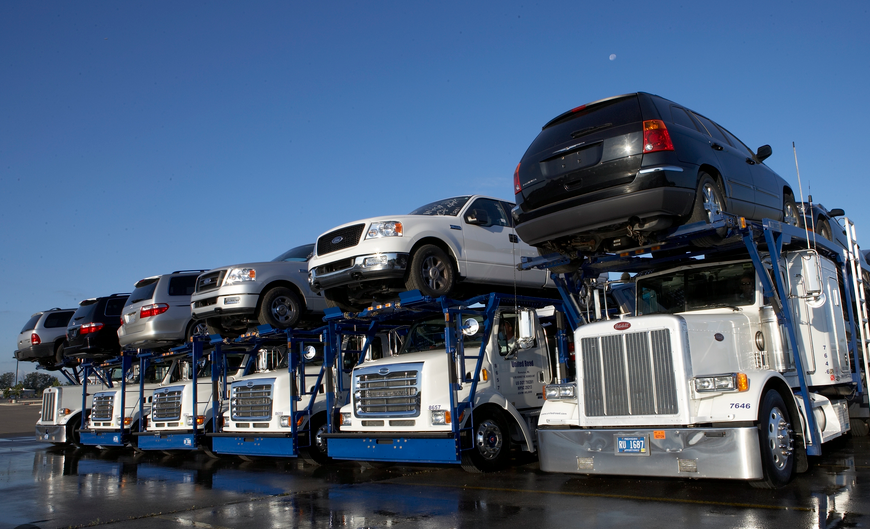
One of the first choices you will face is whether to ship your vehicle on an open or enclosed carrier. Open transport is the more common and affordable option, using the same multi-car trailers you see on highways regularly. Enclosed transport offers full protection from weather and road debris, making it the preferred choice for luxury vehicles, classic cars, or anything with significant monetary or sentimental value. Understanding which option fits your vehicle and your budget before you start requesting quotes saves time and prevents mismatched expectations down the line.
Pricing Varies More Than Most People Expect
Car shipping costs are influenced by a surprisingly wide range of factors including distance, vehicle size, transport type, current fuel prices, and seasonal demand. Routes with heavy traffic tend to offer more competitive pricing simply because carriers can fill their loads more easily. Less traveled routes may cost more due to limited carrier availability. Getting multiple quotes from reputable companies and comparing them carefully gives you a realistic picture of fair market pricing and helps you avoid both overpriced services and suspiciously cheap offers that often signal unreliable carriers.
Timing Your Shipment Matters
Beyond price, the timing of your shipment has a real impact on how smoothly everything goes. Peak moving seasons, particularly summer months, drive up both prices and lead times as demand for carriers surges across the industry. If your schedule allows flexibility, booking during off-peak periods can deliver meaningful savings and faster pickup availability. Regardless of when you ship, booking as far in advance as possible gives you access to better carrier options and reduces the risk of last-minute scheduling complications.
Preparing Your Vehicle Before Pickup Is Essential
Furthermore, taking the time to properly prepare your car before the carrier arrives protects you throughout the shipping process. Document the current condition of your vehicle thoroughly with dated photographs from every angle before handing it over. Remove all personal belongings from the interior since most carriers are not insured to cover personal items and their presence can create complications.
Conclusion: Shipping Your Car Without the Stress
To wrap it all up, shipping a vehicle does not have to be a stressful experience when you approach it with the right knowledge. Choosing the correct transport type, understanding how pricing works, timing your shipment strategically, and preparing your vehicle properly before pickup are the four pillars of a smooth and successful car shipping experience. Take the time to do each of these well, and you will hand over your keys with confidence knowing your vehicle is in good hands every mile of the journey.

Recent Comments