
Why Metal Buildings Are Becoming the Go-To Choice for Rural Property Owners
Rural property owners have always needed structures that work as hard as they do. Barns, workshops, equipment storage, and covered workspaces take a beating from weather, heavy use, and the demands of an active property. The structure housing all of that investment needs to be up to the task for decades, not just the first few years after installation.
Built to Last in Demanding Conditions
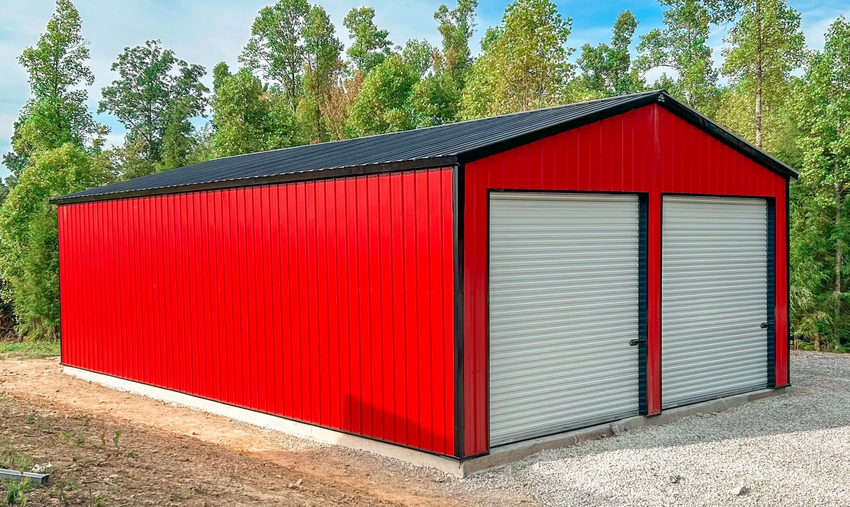
The growing preference for metal construction among rural and agricultural property owners is not a trend driven by aesthetics. Those who have explored White Mountains Metal Buildings know that the combination of durability, low maintenance, and long-term value metal construction delivers is simply difficult to match with any other building material. Here is what makes metal the practical choice for serious property owners.
Metal Handles Weather That Destroys Other Materials
The White Mountains region delivers a full range of weather conditions across four seasons including heavy snow loads, strong winds, intense summer sun, and temperature swings that put real stress on building materials. Metal buildings engineered for these conditions handle that stress without warping, cracking, rotting, or requiring the seasonal maintenance that wood structures demand. Properly coated steel resists rust and corrosion effectively, and the structural integrity of a well-built metal building holds up against snow and wind loads that would compromise lighter construction over time.
The Range of Applications Is Broader Than Most People Expect
One of the more compelling aspects of metal building systems is how many different purposes they serve effectively on a single property. Equipment storage, hay barns, livestock shelters, workshops, garages, and commercial operations all benefit from the same core advantages that make metal construction attractive. Clearspan interior designs eliminate interior support columns, creating wide open floor plans that adapt to changing uses without structural limitations getting in the way. That flexibility means a building purchased for one purpose today can serve an entirely different function years down the road.
Low Maintenance Translates to Real Long-Term Savings
Furthermore, the maintenance demands of a metal building over its lifespan compare very favorably to wood frame alternatives. There is no painting required to prevent moisture damage, no treatment needed to protect against insects and rot, and no periodic structural repairs driven by the natural deterioration of organic materials. Occasional cleaning and an inspection of fasteners and seals represents the bulk of what a quality metal building requires to stay in excellent condition across decades of active use. Those savings accumulate meaningfully over time and add to the already strong value proposition metal construction offers upfront.
Customization Options Meet Specific Property Needs
A common misconception about metal buildings is that they are limited to a small range of standard sizes and configurations that may not fit every property’s requirements. Modern metal building systems offer extensive customization in terms of dimensions, roof styles, door and window placement, insulation options, and exterior finish choices. Whether the need is a compact single-vehicle garage or a large clearspan agricultural structure covering several thousand square feet, the building can be configured to match the specific demands of the property and the intended use without forcing a compromise between what is available and what is actually needed.
Conclusion: Built to Last in Demanding Conditions
To wrap it all up, metal buildings earn their place on rural properties by delivering what serious property owners need most. Weather resistance that holds up through demanding mountain conditions, versatility across a wide range of applications, minimal long-term maintenance requirements, and meaningful customization options all combine to make metal construction a genuinely smart investment. When the goal is a structure that performs reliably for decades without demanding constant attention or repair, metal is the material that consistently delivers on that expectation.
Recent Comments