
Most homeowners are aware that dryer vents need periodic cleaning. Far fewer think about the possibility that the vent itself might be damaged, poorly configured, or deteriorating in ways that no amount of cleaning can fix. A vent line with structural problems continues creating risks and performance issues regardless of how recently it was serviced.
Fixing the Problem at the Source
Recognizing when a dryer vent needs more than routine maintenance is the kind of knowledge that saves homeowners from repeated service calls that treat symptoms without addressing the underlying cause. Those who have worked with professionals offering Reno Dryer Vent Repair understand that a properly functioning vent system is about more than just keeping it clear. Here is what repair situations actually look like and why they matter.
Damaged Ductwork Creates Ongoing Hazards
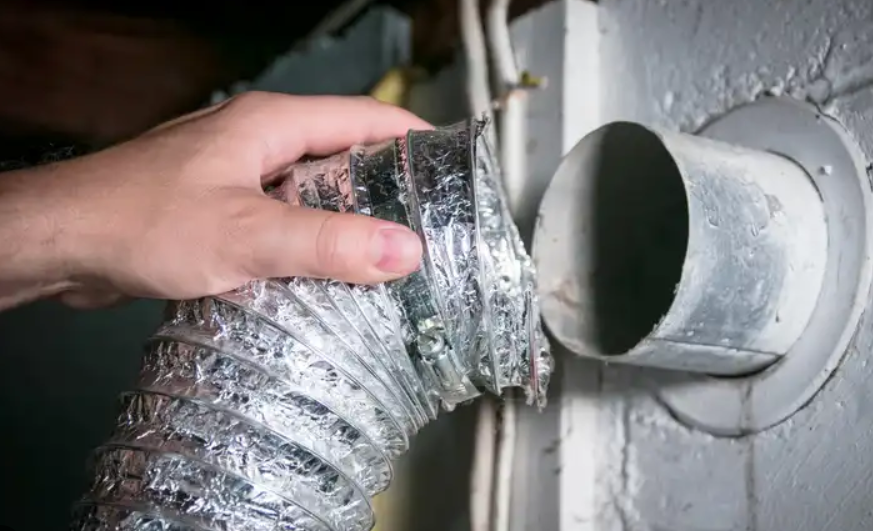
The duct running from your dryer to the exterior of your home takes a surprising amount of abuse over its lifespan. Flexible foil ducting, commonly installed in older homes, crushes and kinks easily behind appliances and inside wall cavities. Those bends and compressions restrict airflow, trap lint, and create conditions where heat builds up rather than escapes.
Disconnected Joints Are a Hidden Problem
One of the more common repair issues found during professional vent inspections is a joint somewhere along the duct run that has come loose or separated entirely. When that happens, hot moist air and lint exhaust directly into the wall cavity, attic space, or crawlspace rather than exiting the home as intended. Over time that moisture promotes mold growth and structural deterioration in ways that extend well beyond the dryer vent system itself.
Exterior Vent Covers Fail More Often Than Expected
Furthermore, the termination point where the duct exits the home deserves more attention than most homeowners give it. Exterior vent covers are exposed to weather, temperature swings, and wildlife activity year-round. Plastic covers crack and warp with age. Flaps stop opening and closing properly, either restricting airflow during operation or failing to seal the duct against outside air and pests when the dryer is off. A damaged exterior cover that no longer functions correctly undermines the performance of an otherwise healthy vent system and is one of the more straightforward repairs a professional can address during a service visit.
Length and Configuration Affect Long Term Performance
The total length of a dryer vent run and the number of bends it contains have direct implications for how well the system performs over time. Building codes specify maximum allowable duct lengths for good reason, as longer runs and additional elbows each reduce the airflow efficiency the system was designed to maintain. Homes where the dryer sits far from an exterior wall sometimes have vent configurations that push against or exceed those limits.
Conclusion: Fixing the Problem at the Source
To wrap it all up, dryer vent repair addresses what cleaning alone simply cannot. Damaged ductwork, disconnected joints, failed exterior covers, and problematic vent configurations all require hands-on repair work that restores the system to proper function and eliminates the risks that come with a compromised vent line. If your dryer continues underperforming after a recent cleaning or if a professional inspection has identified structural issues in the duct run, repair is the next step. Addressing it promptly protects your appliance, your home, and the people living in it.
Recent Comments